Five presentations, live demonstrations, information tables, snacks, an afternoon with other hams … what’s not to love?! The 2026 Symposium webpage tab can be found in the upper right-hand corner of this webpage, at https://w1tu.org/focused-communications-choosing-the-best-tools/
Spread the word! All hams and anyone interested in ham radio are invited.
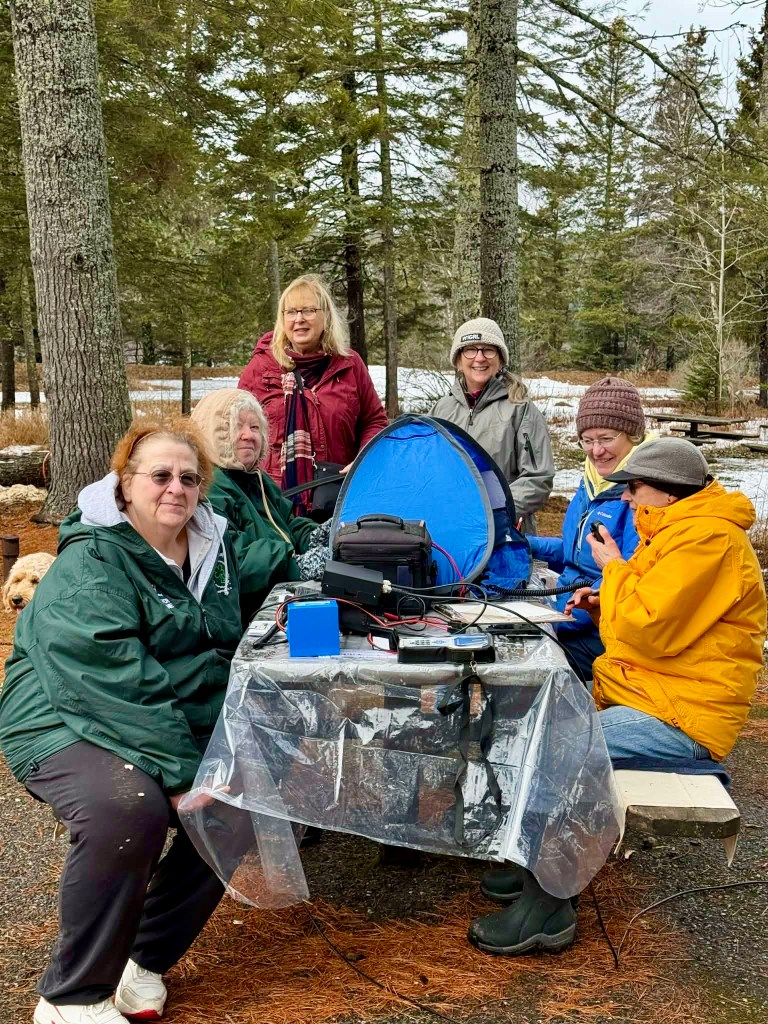
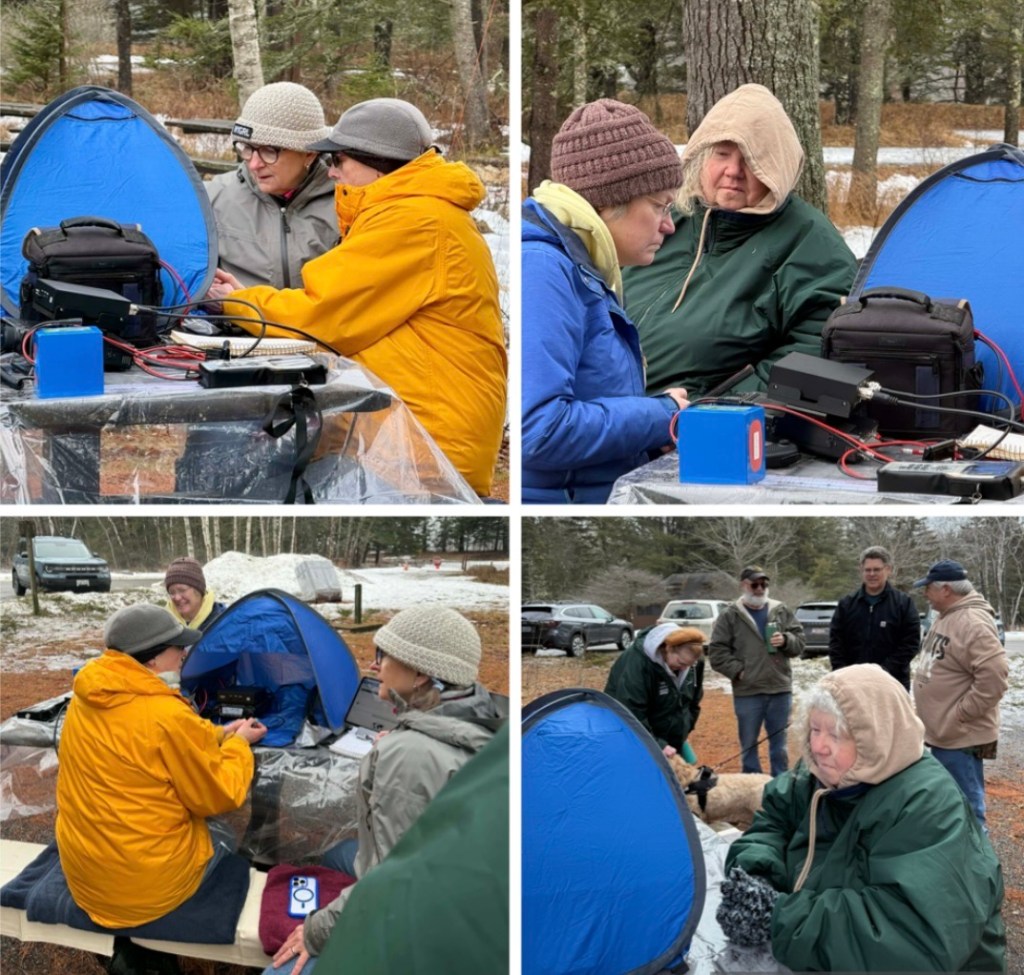
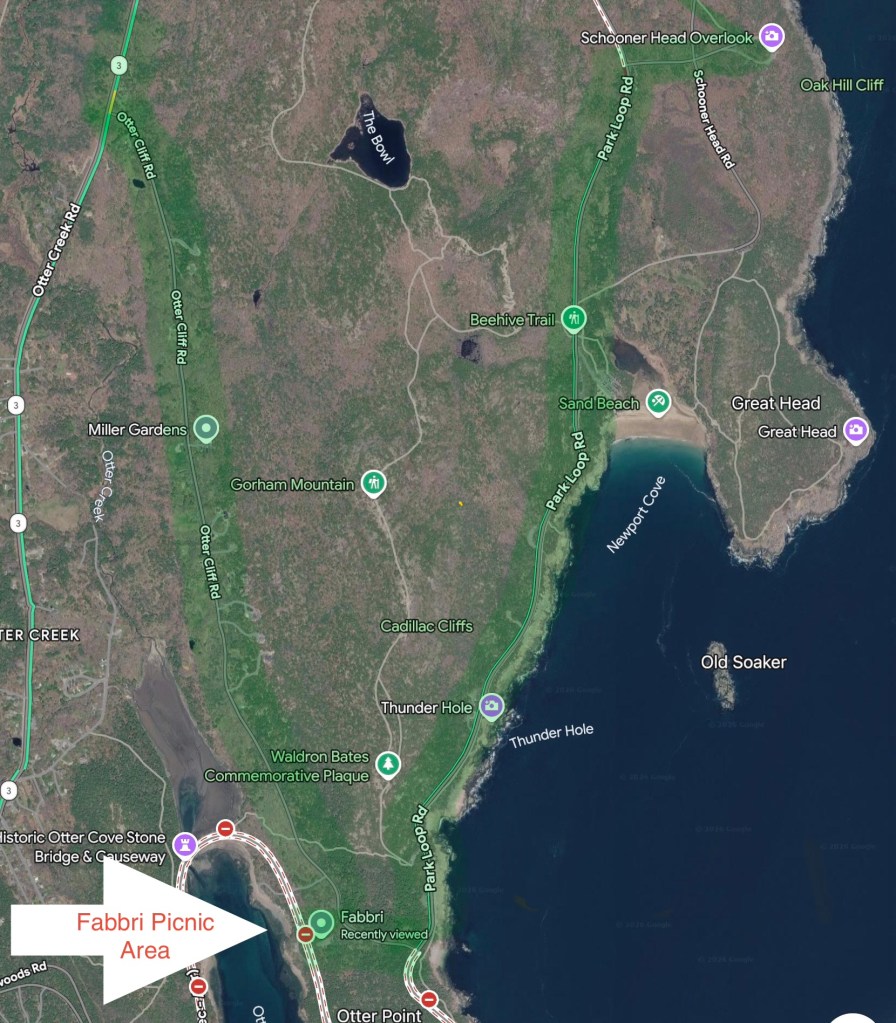
Across the two hours of operating, eight women (4 of whom are licensed) shared in the fun of the YL POTA Day. To be fair, four men also came by to cheer us on. We gathered at Fabbri Picnic Area in Acadia National Park. Although the set up started with drizzle, the weather cooperated for the event.
Moving from left to right, Bernie KI4VCR, Susan, Roberta, Marion W1GRL, Barbara KC1SSY, and Joan W1DLC
We made over 40 contacts, with the farthest QSOs in Texas, Canada, and Spain. Among the highlights were the Morse Code contacts Joan and Marion each made with Jeff KA1DBE. Another highlight was a hunter who said he needed Maine to complete his goal make a POTA contact in every state. We were proud to let him know that it was a YL POTA special event that completed his quest.
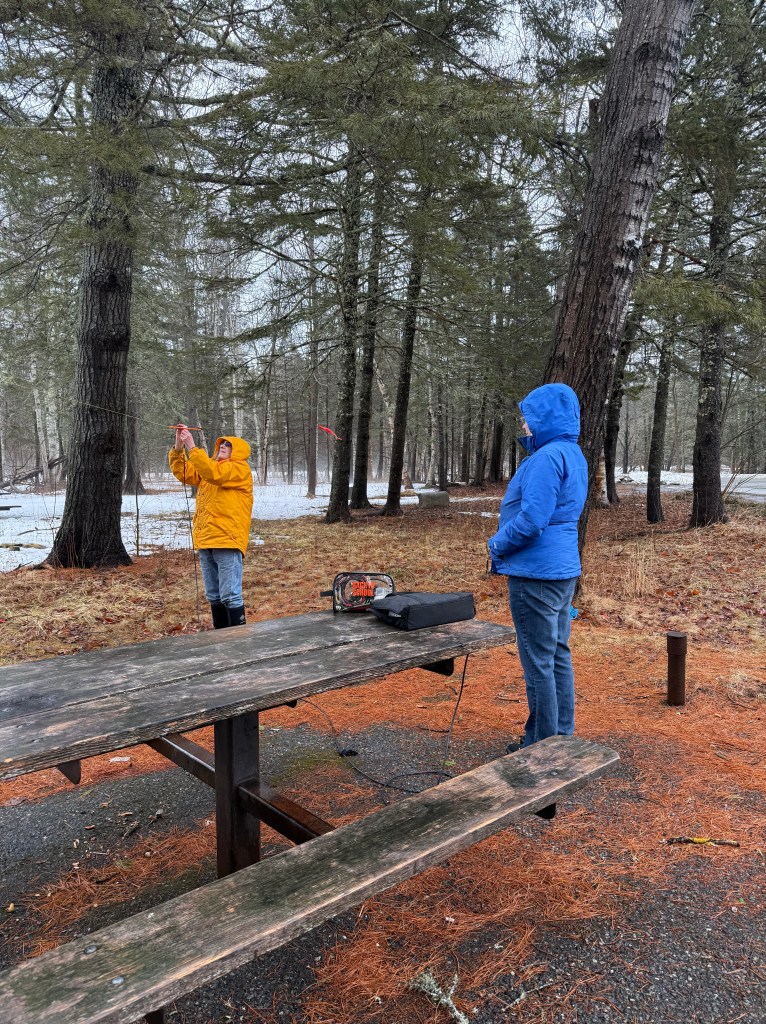
Joan and Barbara assembled the radio equipment and antennas, while Marion covered the table and set up logs.
Another highlight was an opportunity to share ham radio, and especially the work of women in ham radio, with a young girl. It was fun to share the Morse Code moments with her, along with some information about POTA spotting and QSO etiquette.
Even though it was cold and damp, we had a great time!
This year’s YL POTA Party Day was a great success! Even with less-than-inviting weather, we honored women radio operators on this International Women’s Day. The ham community is built relationship-by-relationship, and today we shared our event with several non-licensed and newly-licensed hams. Here’s hoping for great weather in 2027! Written by Marion W1GRL
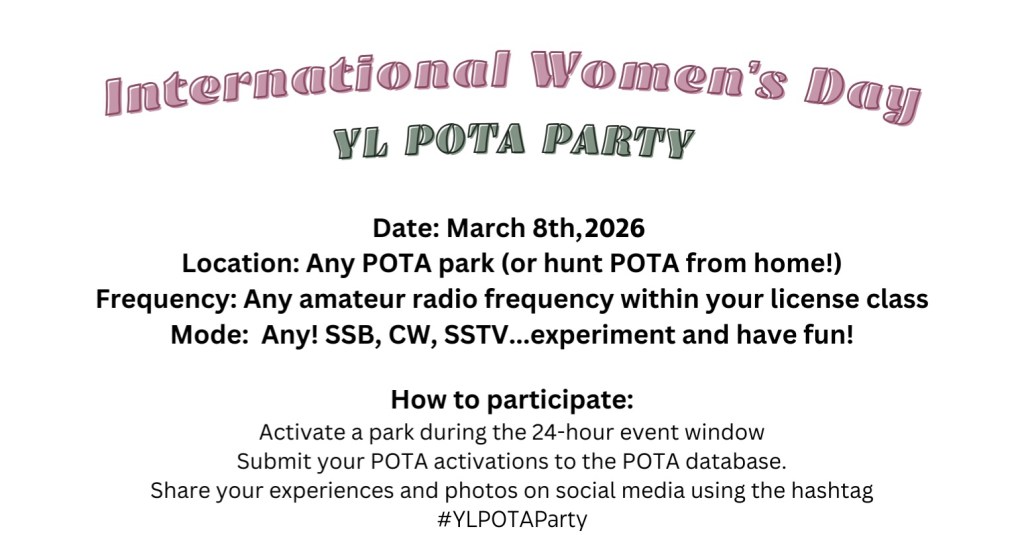
The international ham radio community is coming together in March to celebrate YLs. Many groups around the world are planning YL POTA activations in honor of International Women’s Day. If you’re new to ham radio terms, “YL” comes from Young Lady, which now simply refers to females of any age.
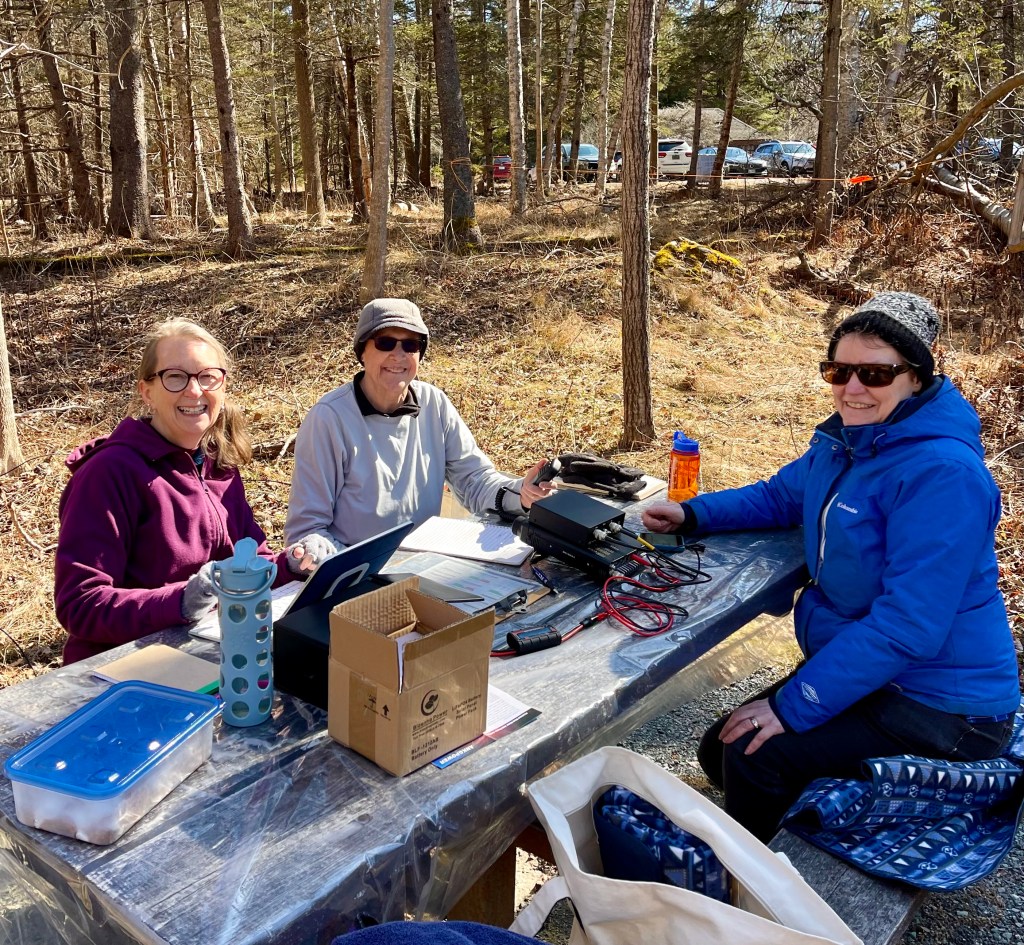
Marion W1GRL, Joan W1DLC, and Barbara KC1SSY, operating on YL POTA Party day in 2024.
The YLs of the EAWA are planning to activate Acadia National Park on Sunday, March 8, from 11:00am to 2:00pm. Joan W1DLC, Barbara KC1SSY, and Marion W1GRL, will be there to greet and share the fun of ham radio. We hope EAWA members and friends will stop by to cheer us on! All women, whether licensed or not, can get on the air if they’d like to.
Look for us at a picnic table at Fabbri Picnic Area in Acadia National Park. You can reach Fabbri by turning from Route 3 on the Otter Cliff Road, or by taking Schooner Head Road to the Sand Beach Entrance Station, then following Ocean Drive to the picnic area.
We hope you can join us, but if not, perhaps you can organize a YL POTA Party in your area or hunt YL POTA Parties from home.
It would be so confirming to all the EAWA YL members and friends to have a good turn out! If you have any questions please contact Marion W1GRL (good on QRZ) or use the “Contact Us” form for this website. We hope to see you! Written by Marion W1GRL
Every Wednesday, and twice a month on Sundays, EAWA members and friends gather for ham radio conversations and workshop-style support for kits, home-brew builds, and troubleshooting. Perhaps you will join us sometime?
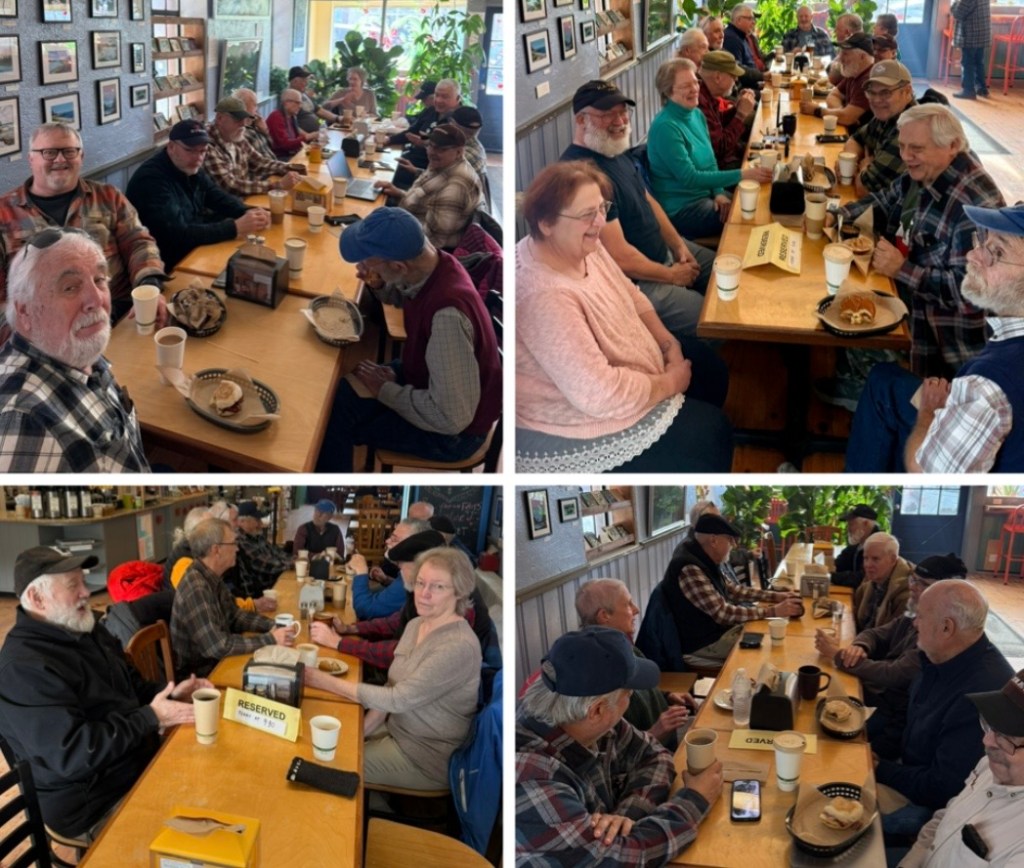
“Clandestine Coffee” provides an easy, enjoyable way to get know ham radio operators in the Downeast area. We usually have 10 to 20 EAWA members and friends around the tables, some coming from as far away as Belfast and Millbridge. Conversations often touch on many radio topics, reflecting the diverse interests of EAWA members.
We meet around 9:30, at Flexit Cafe, 142 Main Street, in downtown Ellsworth. As you walk in, look for the “Reserved” tables to the right.
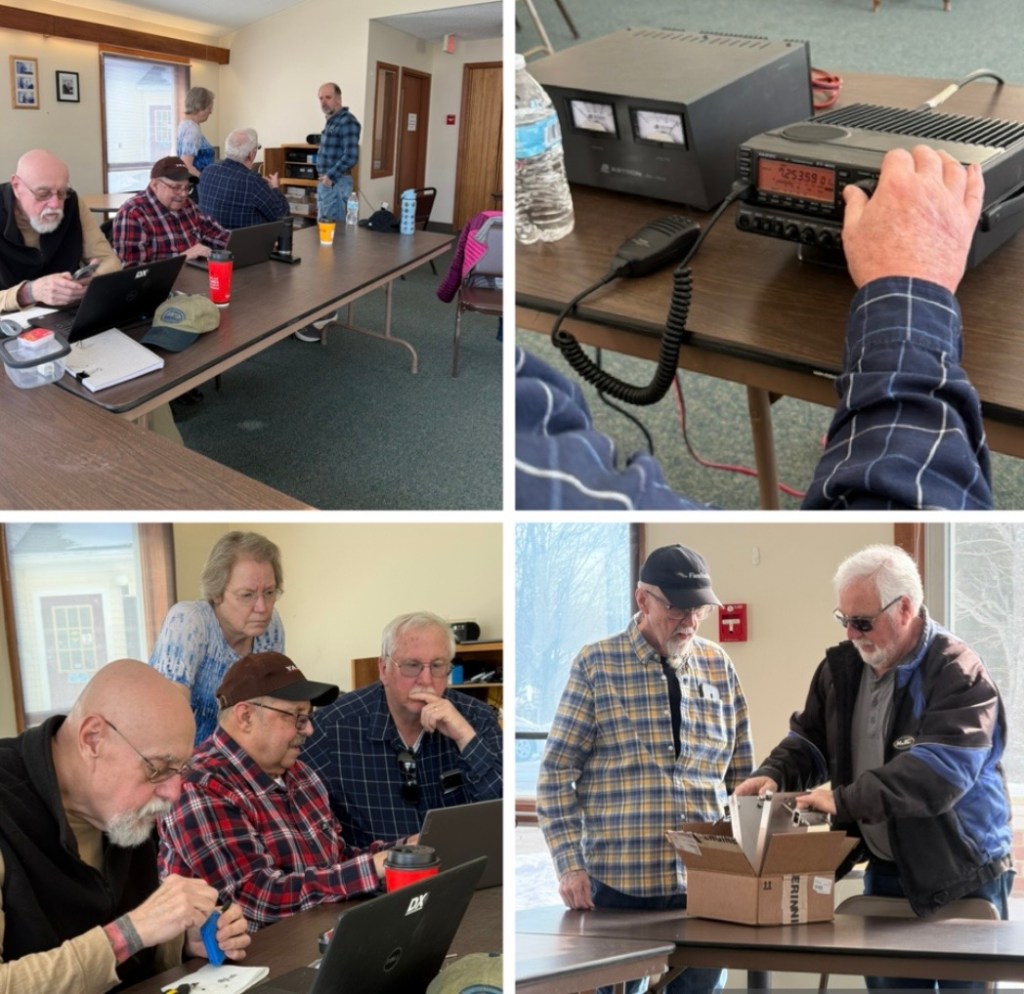
Like Clandestine Coffee, everyone is welcomed to join in the Weekend Sessions as well. These workshop-style sessions begin at noon at the Meadow View Phase 4 Community Room, 25 Tweedie Lane in Ellsworth (see map here). We regularly have hams come just to hang out and see what everyone else is working on. People often bring in items they are working on, both hardware and software, to share or assemble, and perhaps get advice. Lately there have been soldering activities, assistance with logging programs, and trouble-shooting older equipment.
In the top left photo, Dick W1KRP is working on a kit, Mark W1ABY is working on logging, and Phil N1EP, along with Barbara KC1SSY and Tracey AC1UN, are checking out the club station equipment. The top right shows Phil hunting for QSOS. In the lower left, while Dick is working, Mark, Barbara, and Phil are exploring LOTW. The lower right photo shows Stan W1BOY and Mel W1MEB examining an antenna tilt mount.
Unlike Clandestine Coffee, which happens every Wednesday, the Weekend Sessions are held only in the fall and winter months. We have 4 sessions left: March 8 and 22, and April 12 and 26. While you are thinking of what’s on your calendar, make a note that the EAWA’s Annual Ham Radio Symposium, held at the same location, is scheduled for Saturday, April 18. Check this website for more Symposium details as they are announced.
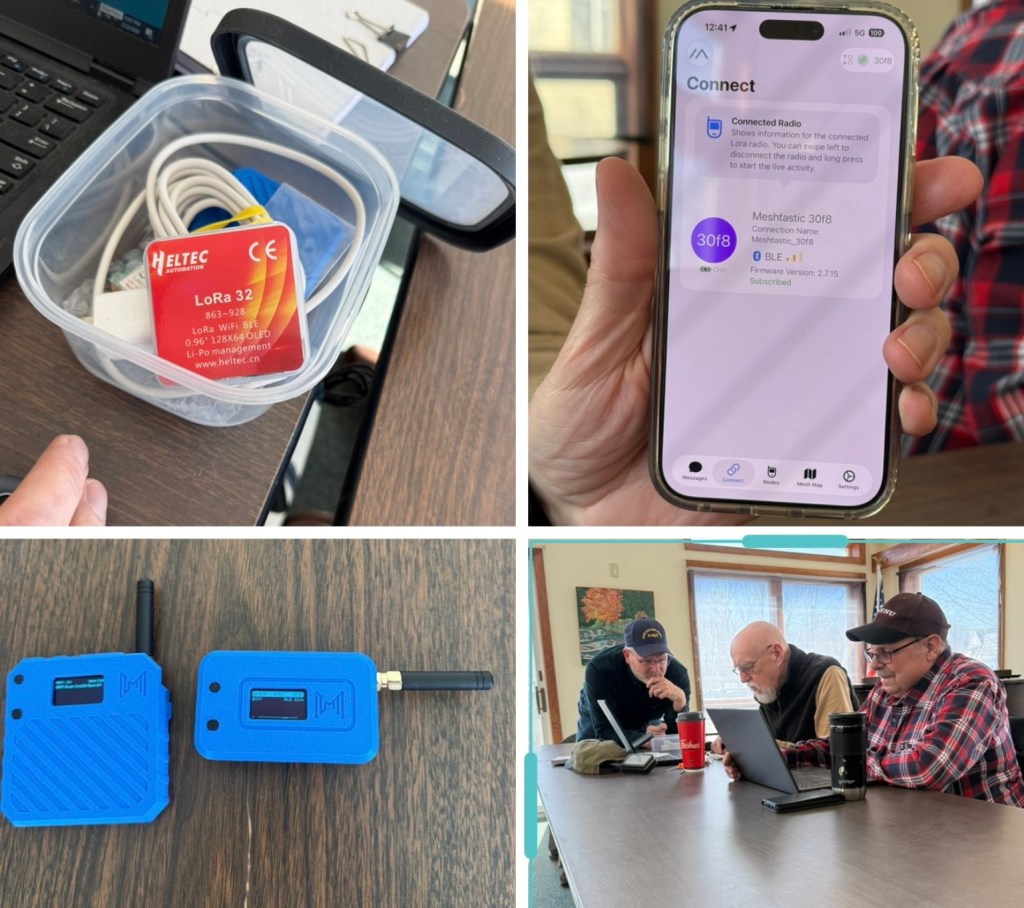
Chris K1WJY and Mark W1ABY, were sharing in Dick’s (W1KRP) build of a Meshtastic node. Dick shared how the Meshtastic network system works, much like texting on a phone.
The EAWA is an active group! Whether you are a member of the club or not, don’t be shy about joining us for any event, or get to know us through our EAWA Facebook group. Amateur radio is an awesome “hobby of a thousand hobbies,” and part of that is joy comes from sharing in a community. We hope to see you soon! Written by Marion W1GRL
With two large RTTY contests on the horizon, this is a good time to consider adding RTTY to your ham radio experience. If you are a RTTY operator, this a friendly reminder that the CQ World Wide RTTY WPX happens the weekend of February 14th, and the North American QSO Party RTTY is scheduled for Saturday February 28th. Unlike Phone or CW, it can be difficult to find a RTTY station to work outside of a contest. RTTY contesting is similar to other modes in that some hams enjoy the speed of running a frequency while others prefer the more causal pace of search and pounce.
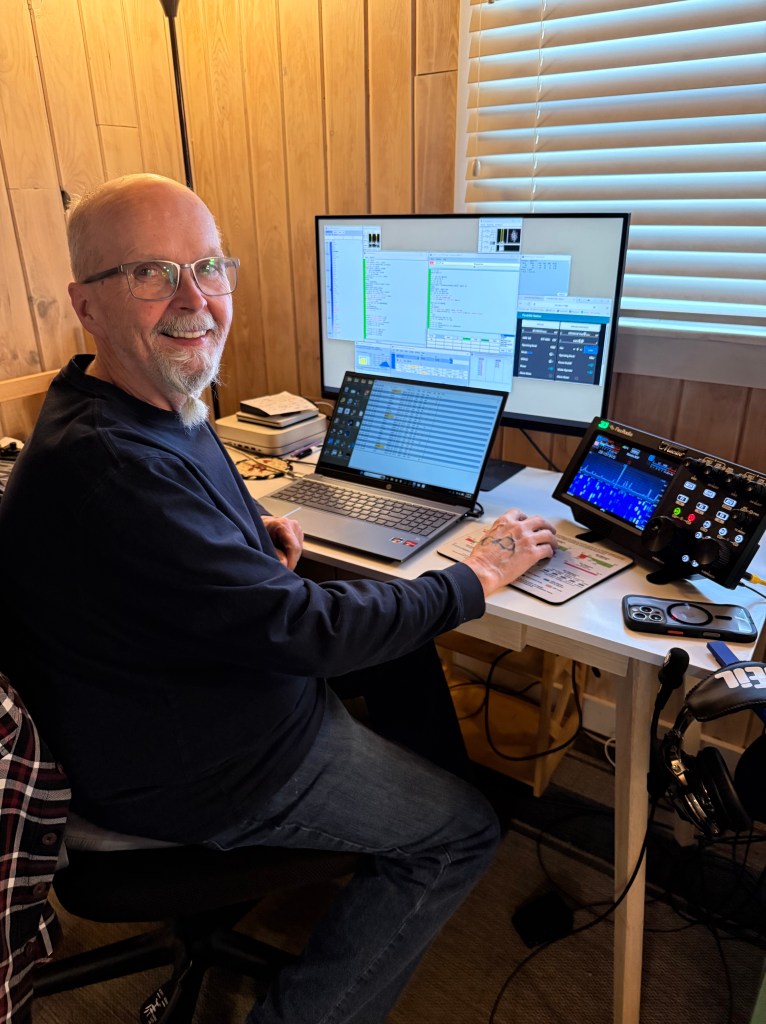
Stan paused for a moment while working the recent ARRL RTTY Round-Up.
Radio Teletype, abbreviated RTTY, refers to the use of a radio and modem connected to a basic teleprinter. Some call it the “original keyboard to keyboard mode.” Amateur radio use of RTTY became popular as the first generations of commercial teleprinters were being retired. As technology developed, the physical teleprinters were replaced with computers making the mode much more accessible. RTTY is a digital mode, often grouped along with FT8, JS8Call, and PSK31 in contests. RTTY uses Frequency Shift Keying (FSK) or Audio Frequency Shift Keying (AFSK) to transmit data at a standard 45.45 baud rate. It is less automated than FT8 and requires operator skill in tuning.
It’s often said that if your radio is configured for FT8, you can easily setup for RTTY with the addition of some software. Stan W1BOY put that claim to the test, and found RTTY contesting to be compelling and fun! His first RTTY contest experience was the Worked All Europe DX RTTY contest in November 2024. He was hooked and worked all of the major and many of the smaller RTTY contests in 2025. In fact, he has more RTTY contacts in his log for 2025 than any of the other mode and he’s looking forward to a better year in 2026!
RTTY is a relatively recent addition to Stan’s radio journey. His interest began when as a schoolboy he heard his principal taking about amateur radio. After being licensed in his early 20s, he was been active off and on as life got busy. Once retired and had more time, he focused mostly on station building and home-brew radios. When his wife, Marion W1GRL, decided to get active in the hobby, Stan started spending more time operating. RTTY suddenly became more attractive as a way to be in a contest, flex his technical muscles, and celebrate a traditional HF mode.
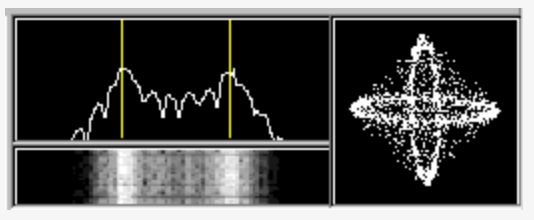
Typical tuning indicators in RTTY software
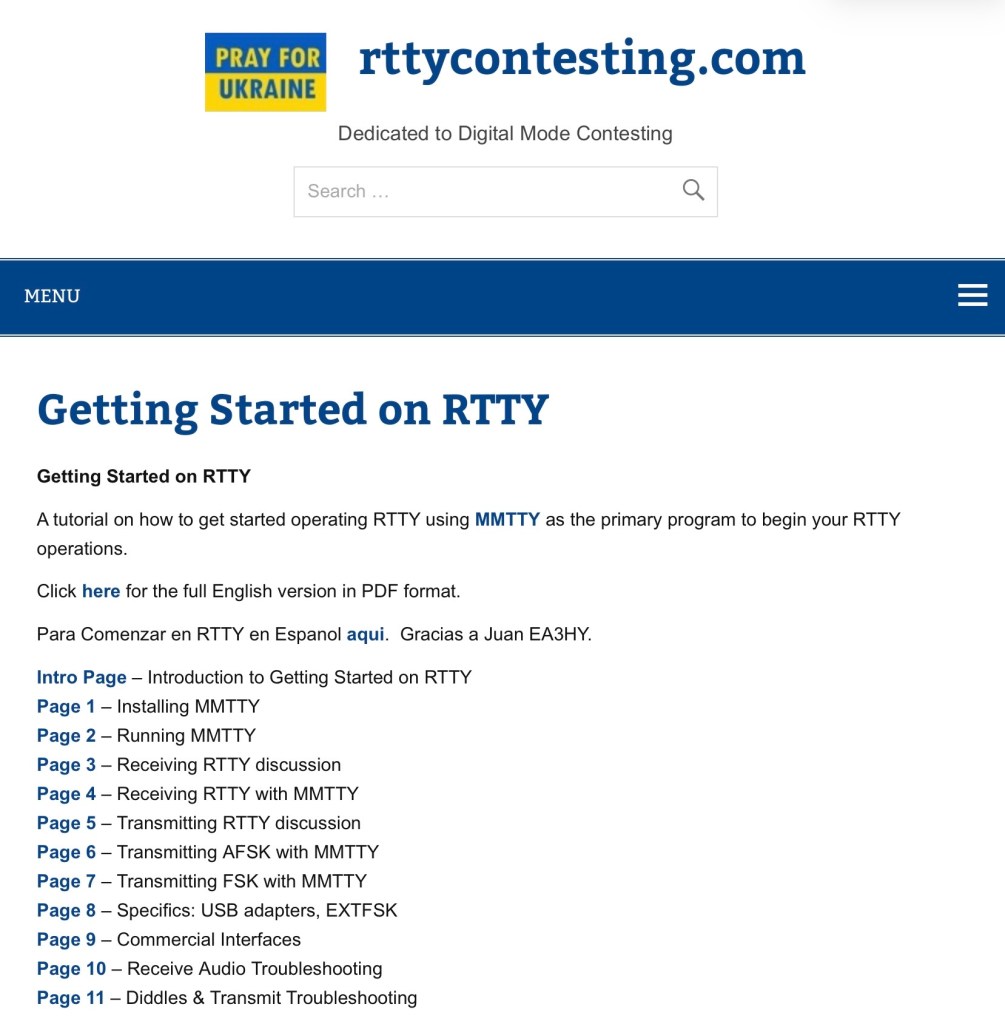
Tuning RTTY signals involves aligning the transceiver’s frequency so that two FSK or AFSK signals, comprised of ‘mark’ and ‘space,’ properly fit within the receiver’s passband. Typically, software tools such as MMTTY or 2Tone are used to match signal peaks on a waterfall or an X-Y display. Often operators will have two programs individually working to decode signals, watching to see which program is doing the best at the moment to pull out the accurate call sign or exchange. As mentioned above, if you’ve setup your radio for FT8, half of the work is done. Setting up RTTY involves using CAT to control your radio and using a modem to send and receive audio to and from the radio. For help with RTTY software and just learning more about the mode, Stan recommends https://www.rttycontesting.com/rtty/.
In addition to a “Getting Started on RTTY” section, you can find specific instructions for setting up software.
One of the best things about the ham radio hobby is that if you find the type of operating you really enjoy, then you can settle in and have fun! And if you are ready for a new challenge or just something different, there’s lots to choose from! RTTY provides a way to celebrate a long-standing amateur radio mode and enjoy either casual or serious contesting. Maybe you can give it a try in the upcoming contests. Written by Marion. W1GRL